
CHW initiatives are long-standing, multi-year endeavors that involve a number of projects and partners. Digital Loray was CHW’s first initiative and set the standard for subsequent digital public history and community storytelling initiatives.
CURRENT INITIATIVES:
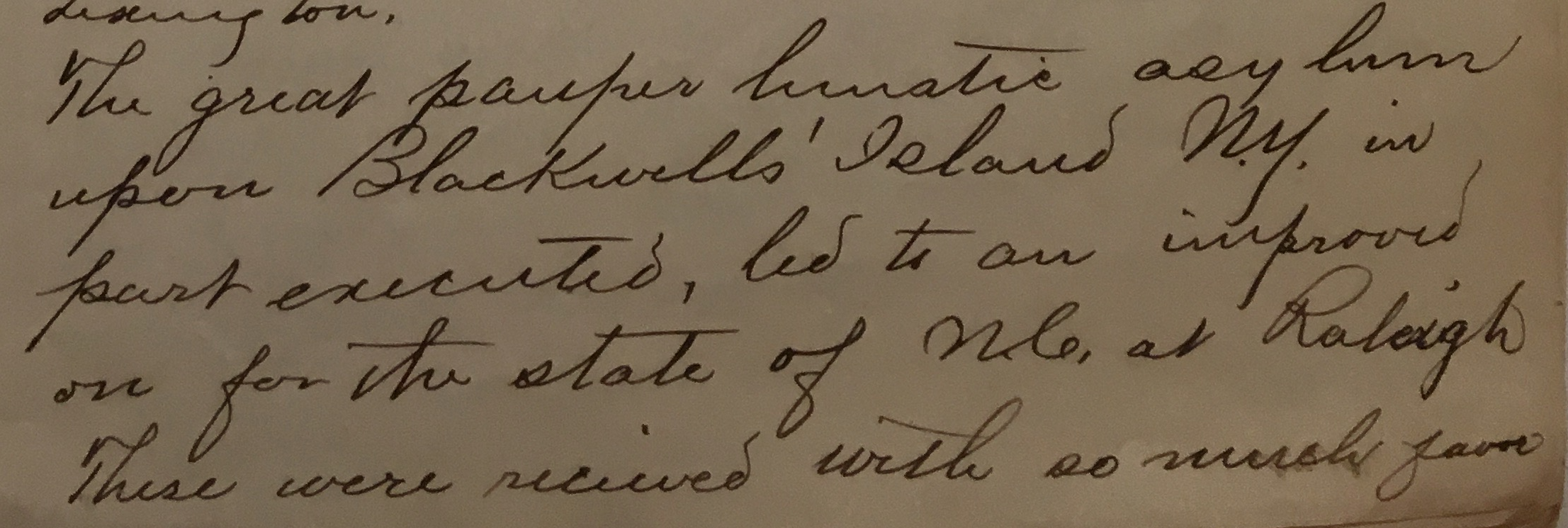
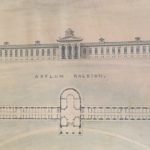 Asylum in the Archive — For centuries the landscape of Raleigh has been dominated by one feature: what is now called Dorothea Dix Park. Previously, it was the state’s first and primary insane asylum. The site of North Carolina’s first insane asylum is currently being developed into a destination park.
Reparative Interpretation in Alabama’s Landscapes of Enslavement — The landscapes of the South were built, altered, and funded by the labor of enslaved people. Communities and institutions around Alabama and across the region are based in these places and grapple with the weight and legacy of this history in the present.
FORMER INITIATIVES:
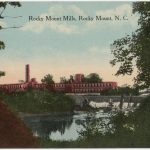
Rocky Mount Mills — For 200 years, the site of the Rocky Mount Mills (RMM) in Rocky Mount, N.C., has been a defining feature of the community’s natural and built environment. RMM features adaptive reuse of the second-oldest textile mill in North Carolina into residential and commercial spaces plus craft brewing incubator.
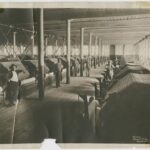
Digital Loray — Digital Loray curates the long, complex history of Gastonia, North Carolina’s iconic Loray Mill and the surrounding mill village. We use digital tools and technologies to tell the human stories of this place, from the Loray’s opening as a textile mill in 1902, through its operation as a Firestone plant between 1935 and 1993, to its renovation and reopening as a mixed-use development in 2015.
CHW initiatives are long-standing, multi-year endeavors that involve a number of projects and partners. Digital Loray was CHW’s first initiative and set the standard for subsequent digital public history and community storytelling initiatives.
CURRENT INITIATIVES:
Asylum in the Archive — For centuries the landscape of Raleigh has been dominated by one feature: what is now called Dorothea Dix Park. Previously, it was the state’s first and primary insane asylum. The site of North Carolina’s first insane asylum is currently being developed into a destination park.
Reparative Interpretation in Alabama’s Landscapes of Enslavement — The landscapes of the South were built, altered, and funded by the labor of enslaved people. Communities and institutions around Alabama and across the region are based in these places and grapple with the weight and legacy of this history in the present.
FORMER INITIATIVES:
Rocky Mount Mills — For 200 years, the site of the Rocky Mount Mills (RMM) in Rocky Mount, N.C., has been a defining feature of the community’s natural and built environment. RMM features adaptive reuse of the second-oldest textile mill in North Carolina into residential and commercial spaces plus craft brewing incubator.
Digital Loray — Digital Loray curates the long, complex history of Gastonia, North Carolina’s iconic Loray Mill and the surrounding mill village. We use digital tools and technologies to tell the human stories of this place, from the Loray’s opening as a textile mill in 1902, through its operation as a Firestone plant between 1935 and 1993, to its renovation and reopening as a mixed-use development in 2015.
